The 15 Dogs Who Started It All
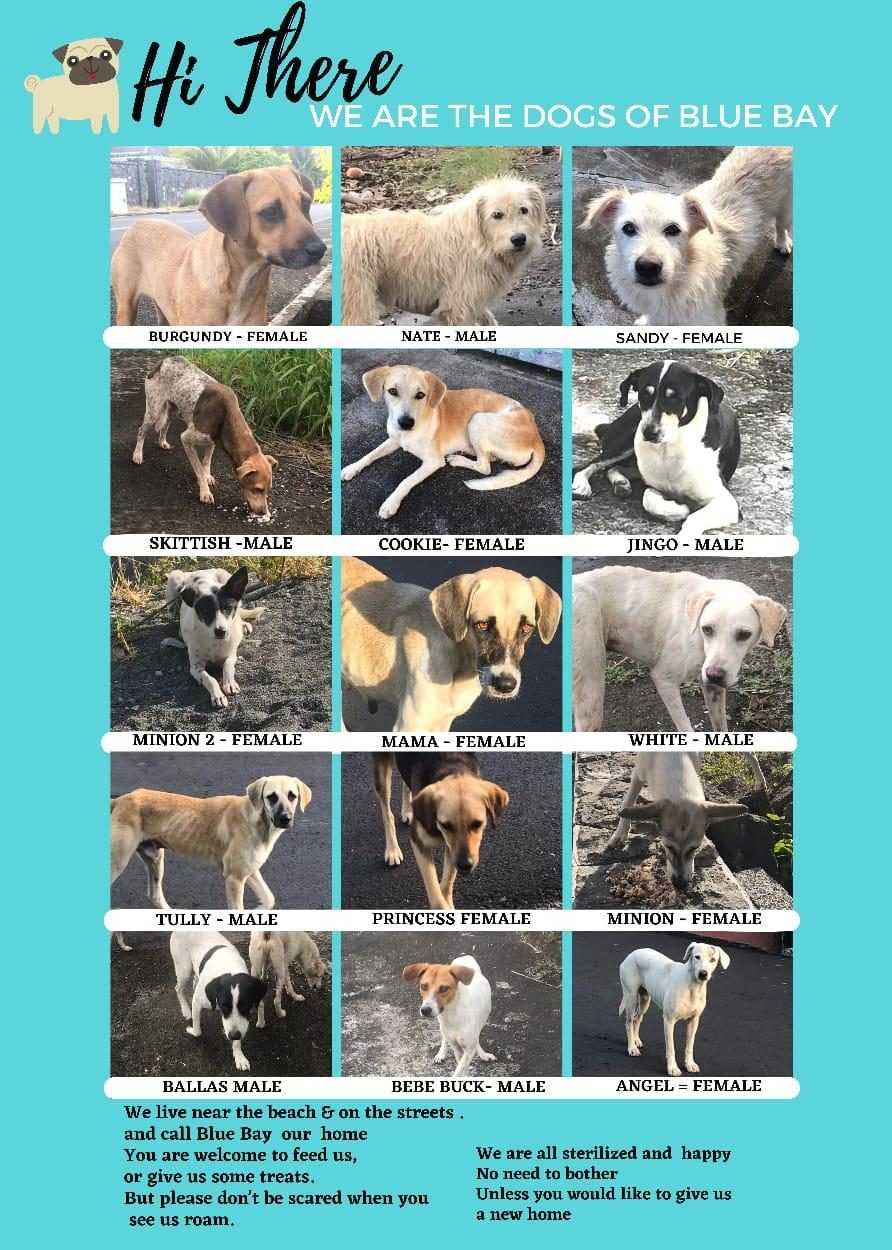
Before there was an association. Before there were organised campaigns. Before we even knew what this would become.
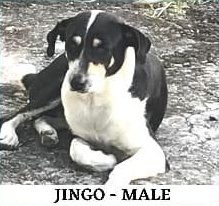
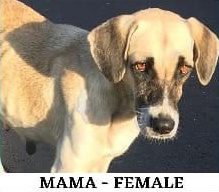
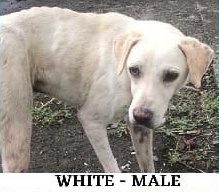
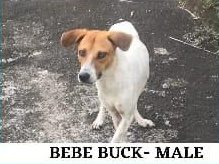
There were just a handful of dogs.
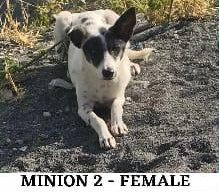
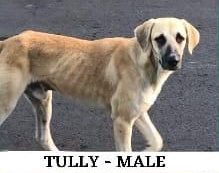
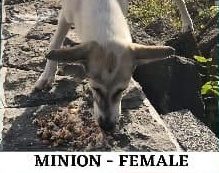
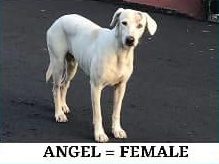
During lockdown, when the beaches were empty and there were no visitors, no picnics, and no leftover food, a small group of local street dogs began showing up every evening around dinner time. They were hungry. They were uncertain. And they had no one.
We started feeding them quietly.
At that point, feeding had never been our focus. We had always stepped in when there was a pregnant dog, an injured animal, or a new stray that needed sterilisation — but regular feeding was not part of the plan.
Lockdown changed that.
Those first dogs became “our” dogs. And once you begin showing up every day, you can’t easily stop.
Sterilising in a Garage The next step was obvious: if we were feeding them, we had to prevent more suffering.
With the help of a compassionate veterinarian willing to work under simple conditions, we organised our very first sterilisations — right there in a home garage in Blue Bay.
It was modest. It was improvised. It was done with care.
Neighbours contributed small amounts — 100 or 200 rupees at a time — so we could cover veterinary costs. The support was quiet but meaningful. People understood what was at stake.
Those first dogs were sterilised not as part of a campaign or organisation — but because we could not stand by and do nothing.
Protecting the Dogs We Knew At that time, street dogs were often collected and removed when reported. It was an uncertain period, and many well-known dogs disappeared from various areas.
We did what many small communities do when they care deeply — we watched out for the dogs we knew.
We made simple posters to let people know these dogs were sterilised and being cared for. We wanted visitors and locals alike to understand that they were not abandoned, not dangerous, not forgotten.
They were part of Blue Bay.
Over time, cooperation improved. Today, when there are serious cases or dogs that are difficult to catch, we work alongside authorities to ensure they are sterilised and returned safely. That collaboration has made a real difference.
But in the beginning, it was uncertain.
And it required courage.
The Beginning of Something Bigger Those first sterilisations were small.
A few dogs. A garage. A handful of neighbours contributing what they could.
But that was the moment everything shifted.
From that point forward, feeding continued. Sterilising continued. Monitoring continued.
What began as an emergency response slowly grew into something more structured — and eventually into the South Sterilisation & Welfare Campaign.
The dogs of Blue Bay were the beginning.
They still live there today — known by name, monitored, fed, and protected.
And everything we do now started with them.
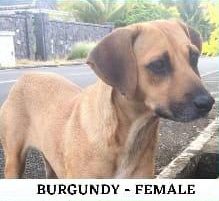
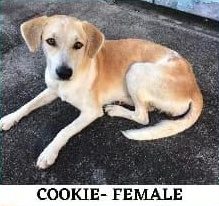
Photos from this story
15 photos · tap to open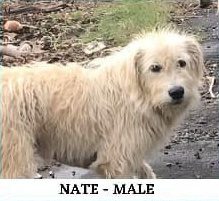




Want to help the strays of the south?
Every sterilisation, meal and rescue is funded by people who care. Rs 1,500 covers one sterilisation.