When the Beaches Fell Silent
Why We Began Feeding
Before lockdown, feeding was never really part of what we did.
If there was a pregnant dog that needed sterilising, we stepped in. If a new dog appeared on the beach, we made sure it was included in our sterilisation efforts. If a dog was injured or needed help, we helped.
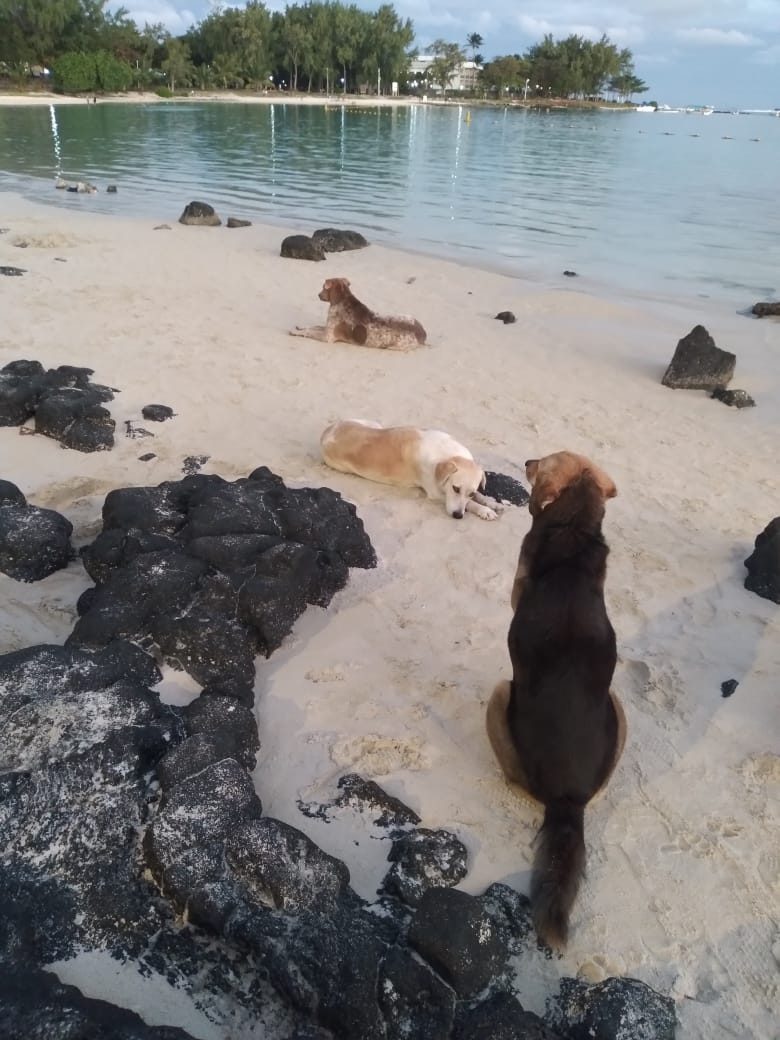
But the beach dogs of Blue Bay survived mostly on what people left behind. There were always families picnicking, visitors walking, food scraps here and there. It wasn’t ideal — but there was movement, and there was enough for them to get by.
Then lockdown happened.
The beach emptied almost overnight. No tourists. No locals gathering. No picnics.
The dogs were still there. But the food wasn’t.
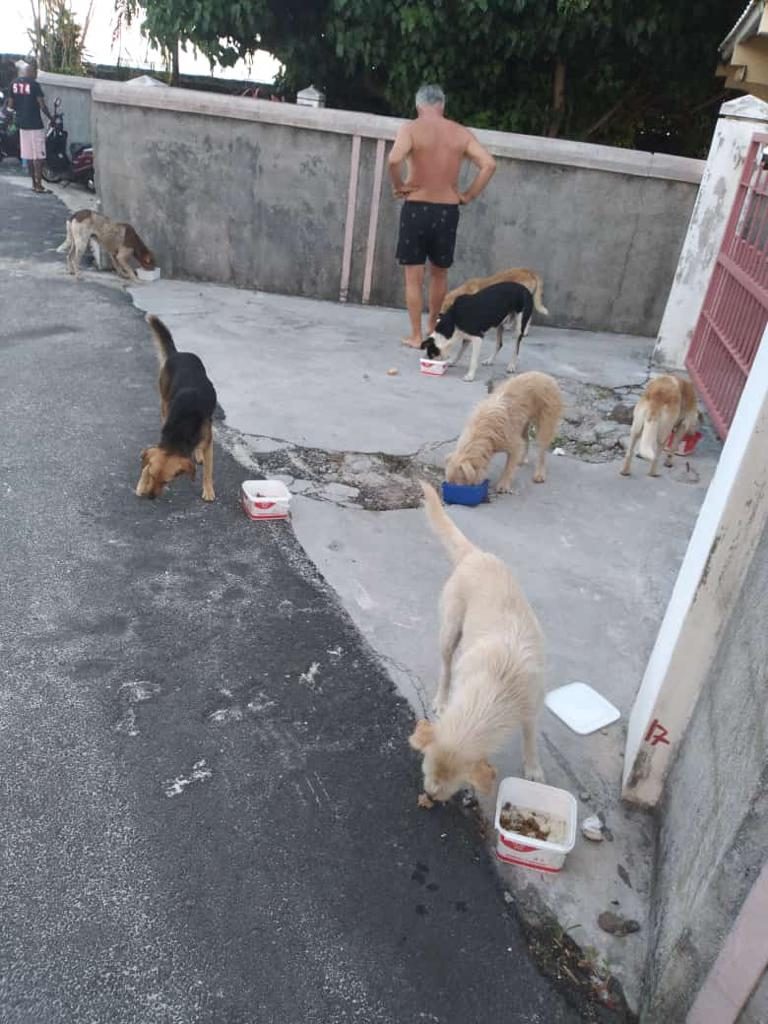
We started feeding simply because we couldn’t ignore what we were seeing. It wasn’t a project. It wasn’t planned. It was just the only thing that made sense at the time.
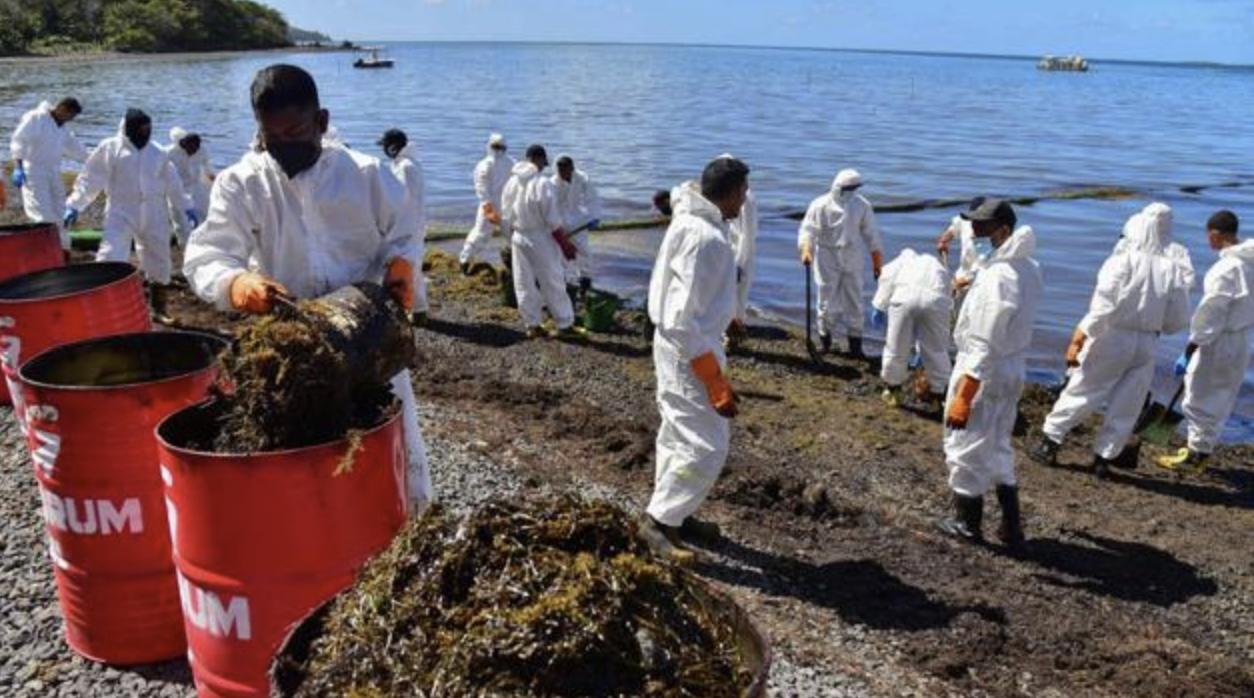
Not long after restrictions eased, the Wakashio ship ran aground off our coast. Access to the beach was restricted again — for months. Once again, the people stayed away. The dogs did not.
At that point, we understood something important.
Feeding wasn’t going to be temporary.
The Birthday Calendar
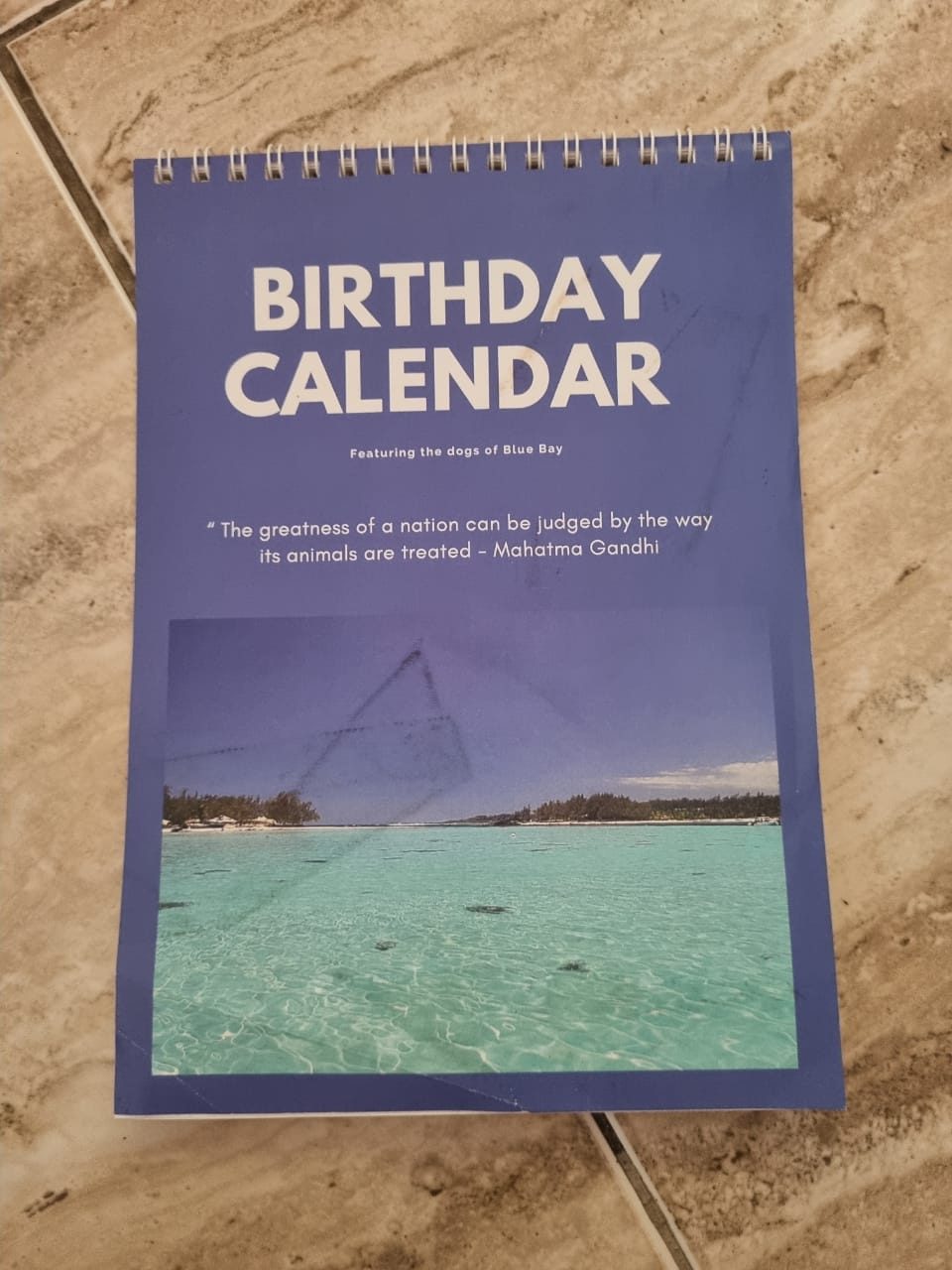
During that period, I created a Birthday Calendar featuring the dogs of Blue Bay.
Each month showed one of the familiar beach dogs, paired with a quote from someone well known — Gandhi, Einstein, and others. It was something simple we could sell to raise money so we could keep buying food.
It wasn’t meant to be anything big.
It was just a way to keep going.
And people supported it.
That calendar helped us continue feeding at a time when the dogs had no other source of food at all.
A Shift We Didn’t Plan
Before lockdown, our focus was sterilisation.
After lockdown, feeding became part of the work.
And over time, we realised that feeding and sterilisation are not separate things. When dogs are fed regularly, you can monitor them. When you monitor them, you can sterilise them. When they are sterilised, you prevent future suffering.
What started as crisis feeding slowly became part of our responsibility.
It Grew From There
In the beginning, it was just a small effort between friends.
Nadja and I fed together. For a while, I continued alone. Later, she came back and began helping again. Gradually, other women joined in — feeding dogs in nearby areas and doing what they could where they were.
There was no big launch. No formal plan.
Just people showing up.
Again and again.
Today
Today, sterilisation is still at the heart of what we do.
But feeding remains part of our story — because it’s what kept the beach dogs alive during lockdown. It’s what allowed us to build trust. It’s what helps us notice when something is wrong.
This association didn’t begin with strategy.
It began with empty beaches — and dogs who needed someone to notice.
By Ella Hough
Want to help the strays of the south?
Every sterilisation, meal and rescue is funded by people who care. Rs 1,500 covers one sterilisation.